October 1, 2026
Understanding the importance of effective pest control solutions not only ensures a safe and healthy living environment but also contributes to long-term peace of mind. Managing unwanted organisms in residential and commercial properties is a crucial aspect of maintaining a comfortable environment, and the methods and tools available have evolved significantly over the years. The sheer complexity of dealing with invasive species is exacerbated by their adaptability and resilience, making it vital for property owners to stay informed about modern management strategies. By learning about and implementing proactive pest control measures, both homes and businesses can be effectively safeguarded from the potential health hazards and structural damage these unwanted visitors bring.
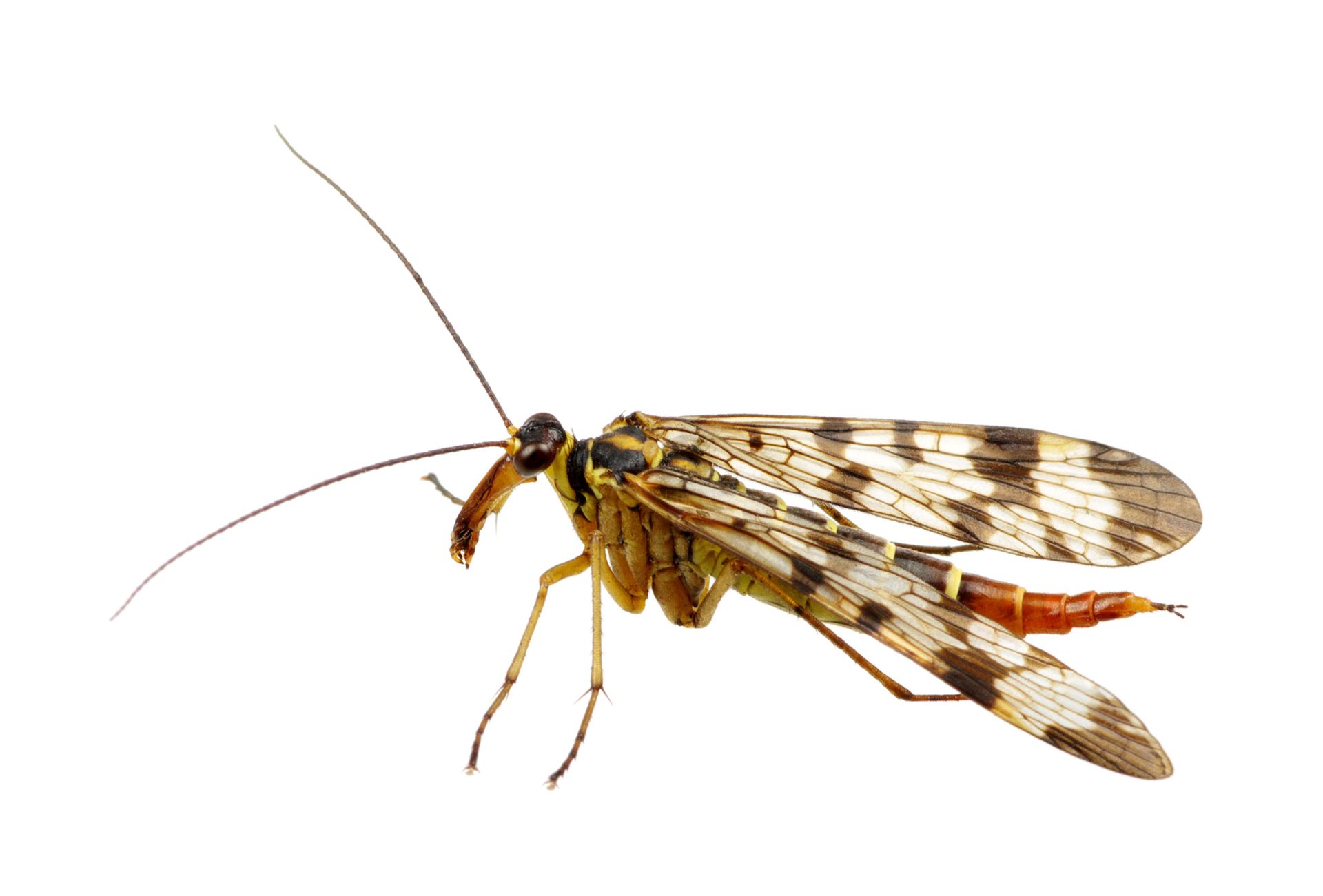
The foundation of any successful pest management strategy relies on identifying the specific species invading a space. Pests range from common insects like ants, termites, and cockroaches to structural rodents such as mice and rats. Each type of pest introduces unique challenges based on its population density, reproductive cycles, and feeding habits. According to the CDC, there are more than 2,500 flea species worldwide, with more than 300 species occurring in the United States. Recognizing the subtle behavioral differences between various pests is essential when designing targeted eradication plans. Property owners who fail to identify the exact cause of an infestation often apply ineffective over-the-counter remedies, inadvertently allowing the pest population to expand unchecked throughout the building structure.
Environmental habitats and species behaviors heavily influence how pests interact with human living spaces. For instance, cockroaches thrive in warm, high-humidity areas where organic food residue is readily accessible, making commercial kitchens and home bathrooms primary breeding grounds. Similarly, rodents seek shelter in uninsulated basements, attics, and wall voids where they can build nests undisturbed during colder months. Urban environments often experience heightened pest pressure due to dense human populations and an abundance of municipal resources that pests can easily exploit. High-density living provides continuous entry points and connected pathways, making it effortless for pests to migrate between adjoining structures. Addressing these underlying environmental attractants is just as important as removing the pests themselves.
Understanding Health Hazards and Structural Risks
Beyond causing visual distress, pests introduce severe health hazards and property damage to domestic and commercial settings. Many crawling and flying insects act as biological vectors, carrying harmful bacteria, allergens, and pathogens directly onto food preparation surfaces. Rodents continuously gnaw on electrical wiring, plastic plumbing pipes, and structural wooden beams, creating serious fire hazards and costly water leaks. The cumulative impact of unaddressed infestations creates long-term financial strain and health risks for building occupants. To mitigate these threats, property owners must implement a balance of non-toxic preventative measures and targeted physical interventions. Establishing physical barriers, such as installing wire mesh screens over vents and applying high-grade silicone sealants around utility entry points, prevents pests from gaining access to the interior.
Non-Toxic Pest Control Methods
Non-toxic pest control strategies prioritize excluding pests and capturing them without relying heavily on synthetic chemical applications. Mechanical traps, such as snap traps and multi-catch bait stations, allow property owners to monitor and suppress rodent populations without introducing toxic chemicals into living areas. These mechanical methods are environmentally friendly and eliminate the risk of secondary chemical exposure for household pets, small children, and non-target wildlife. Utilizing non-toxic solutions provides a safe alternative for sensitive environments such as schools, daycare facilities, and food production plants, where chemical usage is strictly regulated.
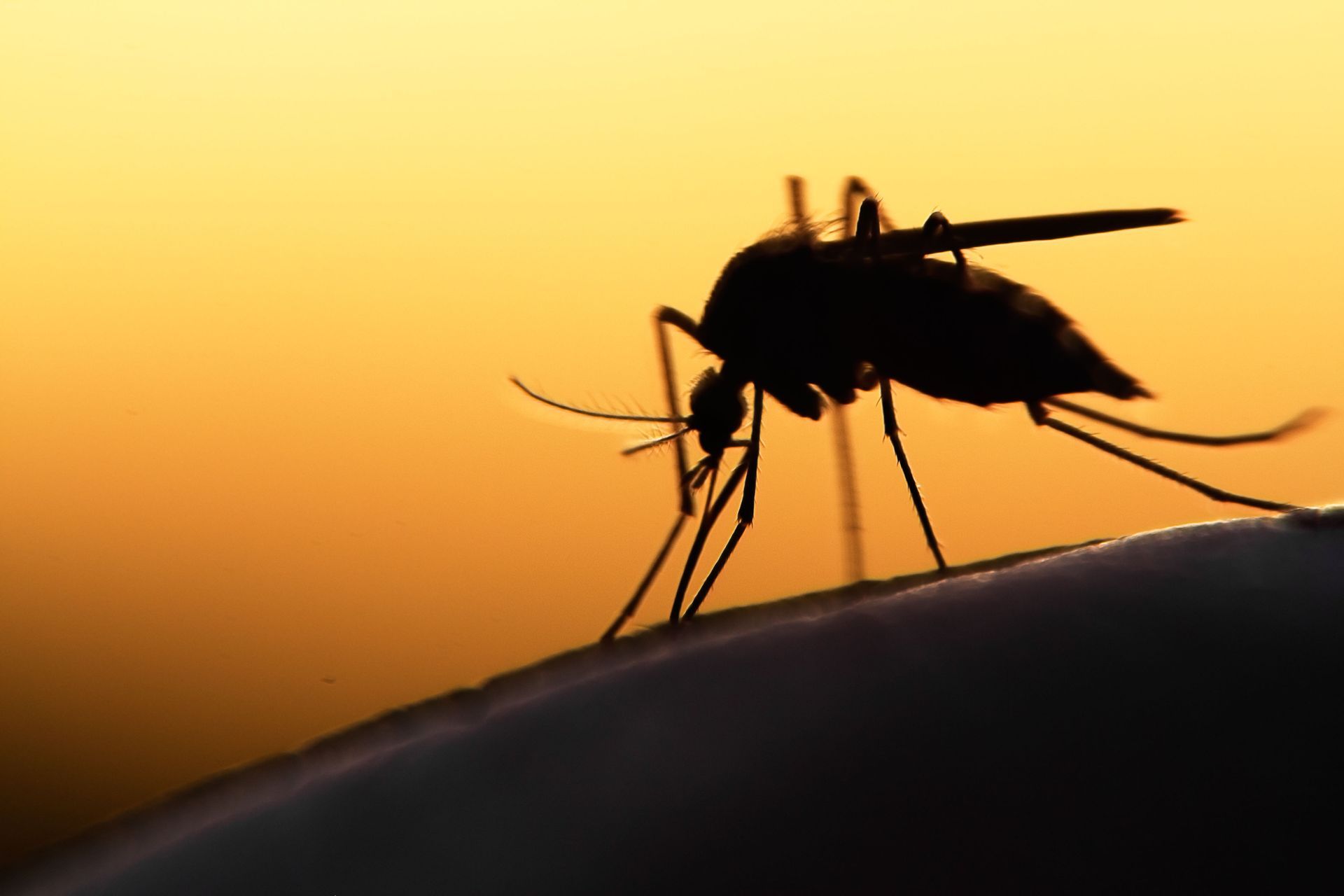
In addition to physical traps, naturally deterring substances offer an effective non-toxic alternative for long-term pest management. Micro-abrasive compounds like food-grade diatomaceous earth can be applied into wall voids and baseboard cracks to disrupt the protective waxy outer coating of crawling insects, causing them to dehydrate naturally. Furthermore, essential oils extracted from plants—such as peppermint, eucalyptus, tea tree, and lemongrass—contain natural aromatic compounds that interfere with insect olfactory receptors. These concentrated oils act as powerful natural repellents against ants, spiders, and biting insects. Partnering with a specialized mosquito control company allows property owners to integrate botanical repellents and biological larvicides into their broader outdoor property management plans.
Biological control methods leverage natural predator-prey relationships to keep pest populations in check without altering the local ecosystem. Introducing beneficial predatory insects, such as ladybugs or green lacewings, helps control sap-sucking agricultural pests in gardens and greenhouses. Soil-dwelling beneficial nematodes can also be applied to turfgrass to target soil-borne larvae before they mature into destructive adult pests. These natural control agents maintain ecological equilibrium and prevent pests from developing chemical resistance. Integrating natural biological controls alongside professional treatments from a qualified mosquito control company ensures that outdoor living spaces remain comfortable and balanced throughout the warmer months.
Adopting non-toxic alternatives yields substantial environmental and public health benefits. By minimizing the application of persistent chemical sprays around residential perimeters, property owners prevent chemical runoff from entering local watersheds and harming aquatic life. Non-toxic approaches also preserve beneficial pollinators, such as native bees and butterflies, which are essential for surrounding vegetation and garden ecosystems. Combining physical exclusion techniques, biological controls, and natural repellents creates a sustainable defense matrix that delivers lasting results without compromising environmental integrity.
Integrating Chemical Solutions Safely
While non-toxic methods serve as an excellent first line of defense, severe or widespread infestations often necessitate the judicious integration of chemical solutions. Selecting the appropriate pesticide requires a clear understanding of the target species, its life cycle, and the specific environment being treated. Synthetic pesticides vary widely in their chemical formulations, residual longevity, and toxicity profiles. Utilizing a broad-spectrum spray haphazardly can harm non-target organisms and lead to rapid chemical resistance among surviving pests. Consulting with a licensed professional from a mosquito control company ensures that any necessary chemical interventions are applied accurately using targeted, low-risk formulations.
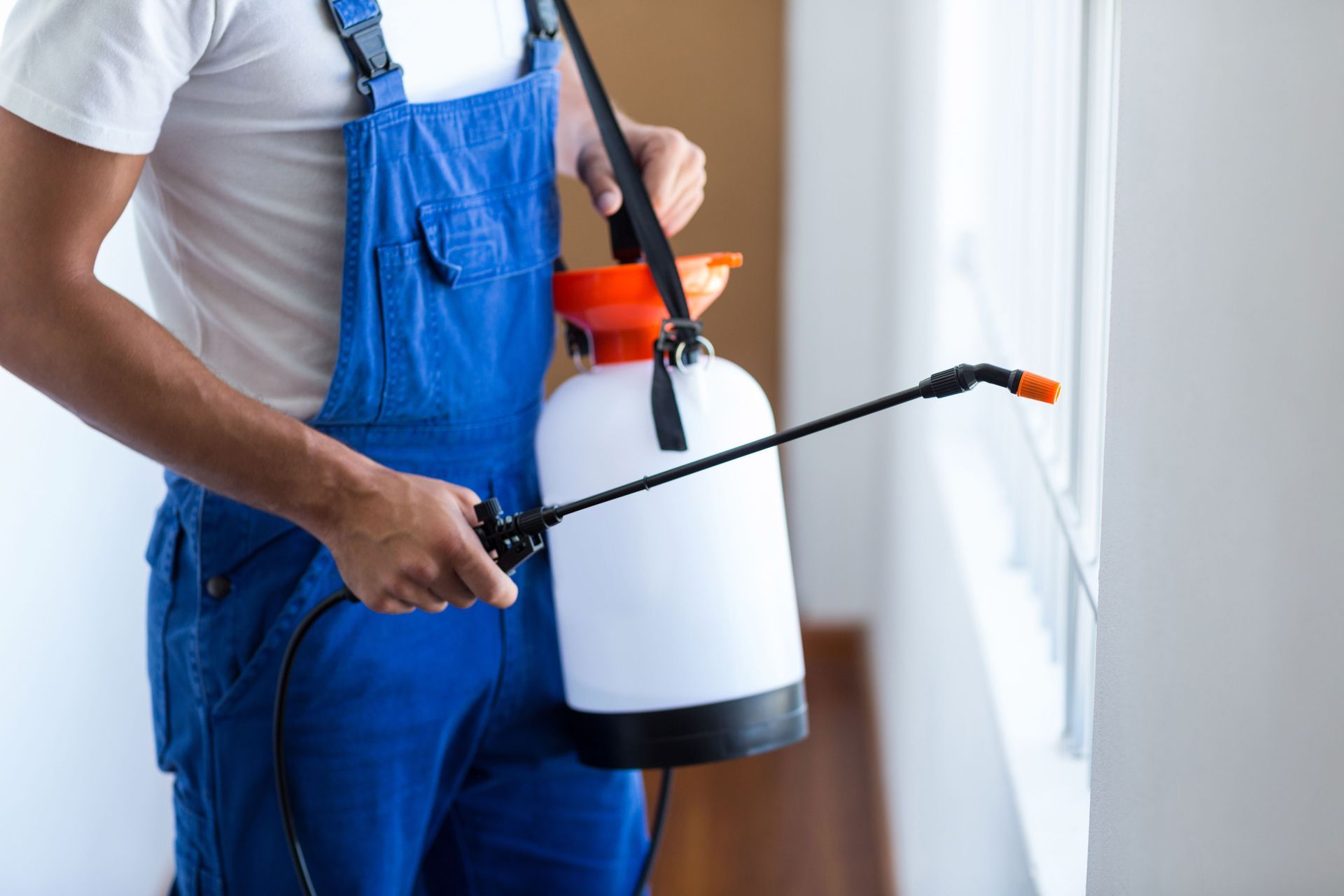
Understanding product labels, active ingredients, and safety guidelines is a mandatory requirement when handling any chemical pest control product. Pesticide labels serve as legal instructions detailing precise application rates, required personal protective equipment, re-entry intervals, and proper disposal procedures. Adhering strictly to these label directions minimizes accidental inhalation, dermal contact, and environmental contamination. Furthermore, establishing a safe application routine involves inspecting spraying equipment for leaks, applying products during calm weather conditions to prevent wind drift, and storing raw chemicals in locked, climate-controlled cabinets away from food and water sources.
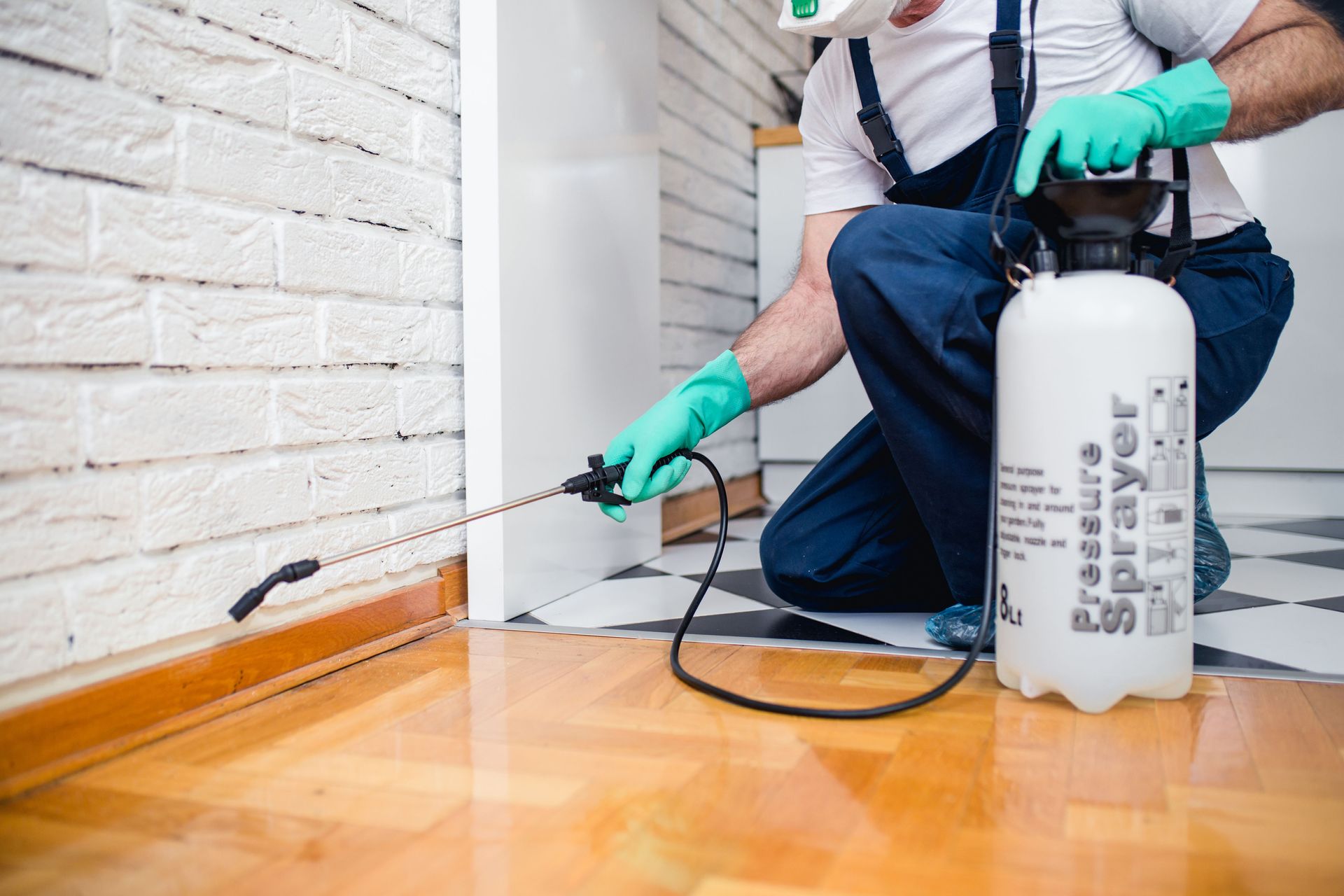
Minimizing health risks to humans, pets, and non-target organisms requires proactive planning whenever chemical treatments are performed. Interior applications should be focused on cracks, crevices, and unexposed wall cavities rather than broadcast across open floor surfaces. When exterior treatments are necessary, applying targeted spot applications limits overall environmental impact. Property owners should ensure that living spaces are adequately ventilated during and immediately after application and that pets are kept clear of treated areas until sprays have dried completely. Working with an experienced mosquito control company guarantees that outdoor chemical applications target resting sites efficiently while avoiding flowering plants frequented by beneficial pollinators.
Developing a comprehensive, safety-first chemical application routine maximizes efficacy while safeguarding the surrounding environment. This process involves monitoring pest activity levels through monitoring stations to determine the exact timing for chemical applications, ensuring treatments align with vulnerable life-cycle stages. Regularly maintaining application equipment prevents over-application and ensures precise dosage delivery. Following proper cleanup protocols and adhering to local hazardous waste disposal regulations prevents active chemical ingredients from leaching into municipal water systems. By balancing targeted chemical treatments with strict safety protocols, property owners achieve reliable pest suppression with minimal ecological disruption.
Achieving permanent relief from persistent household pests requires a balanced, multifaceted strategy that combines species identification, non-toxic exclusion, safe chemical application, and proactive environmental maintenance. Relying solely on temporary DIY remedies often leaves underlying structural vulnerabilities unaddressed, leading to recurring infestations and unnecessary stress. By implementing long-term prevention protocols and leveraging professional expertise, property owners can safeguard their physical structures and create safe, healthy environments for their families. For reliable seasonal protection, advanced barrier treatments, and complete outdoor peace of mind, depend on the expert team at Superior Mosquito Control.