May 19, 2026
Understanding mosquito control begins with recognizing how mosquitoes affect health, comfort and outdoor living. A professional mosquito control service can help reduce active populations, target breeding areas and create a more practical plan for long-term prevention around homes and businesses. When mosquito activity is ignored, small breeding sites can quickly turn into larger problems that affect patios, gardens, pools, entryways and shaded gathering areas. With the right approach, property owners can protect their outdoor spaces while reducing the frustration that comes from constant biting and buzzing.
1. Mosquito-Borne Disease Risks
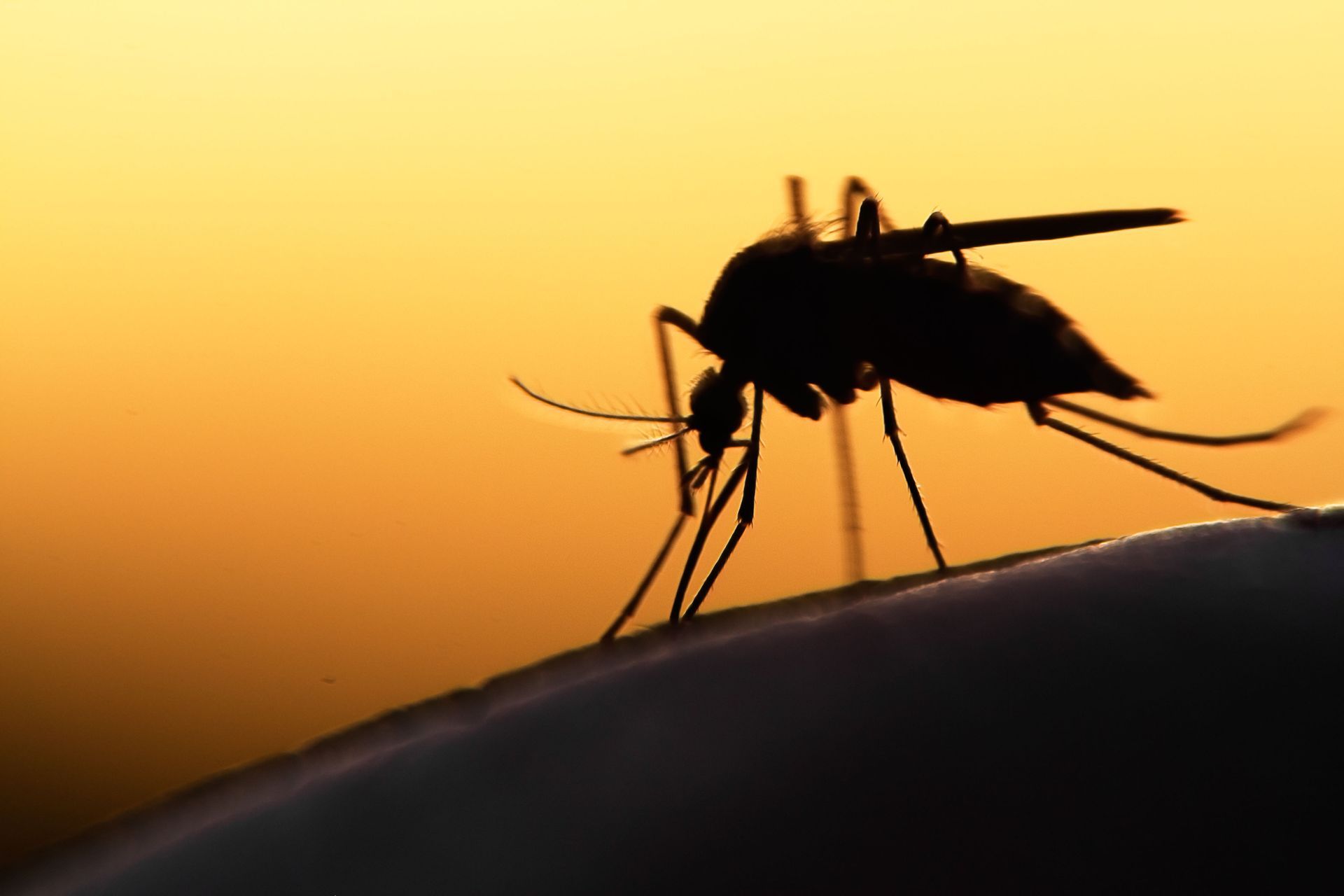
Mosquito-borne diseases remain a serious public health concern in many parts of the world. These insects can transmit illnesses such as malaria, dengue fever, Zika virus and West Nile virus. Each disease creates different health risks, ranging from fever and fatigue to severe neurological complications. While some regions face higher risks than others, every property owner can benefit from understanding how mosquitoes breed, spread and affect daily life. Even in areas where severe illness is less common, mosquito bites can still cause discomfort, allergic reactions and concern for families with children or older adults.
Climate, standing water, vegetation and human activity all influence mosquito populations. Certain species thrive in warm humid areas while others adapt well to temperate climates. Because mosquitoes can reproduce quickly, even a small amount of stagnant water can create a recurring issue. According to the EPA, there are about 200 different species of mosquitoes in the United States, which highlights how varied their behavior and breeding habits can be from one region to another. A mosquito control service can identify these risk factors and recommend treatments that match the property’s layout and local mosquito activity. This targeted approach is especially important because different species may rest, feed and breed in different locations around the same property.
2. Public Health Concerns
Mosquitoes affect more than personal comfort because they can place pressure on families, businesses and public health systems. In the United States, there are about 200 different mosquito species, and some are more capable of spreading disease than others. This variety makes proper identification important when choosing the right control method. Public health agencies often monitor mosquito populations because early detection can help communities respond before disease risks increase.
Public education also plays a major role in prevention. Homeowners can reduce risk by emptying containers, cleaning gutters, repairing screens and maintaining proper drainage. However, these steps may not be enough when mosquito pressure is high. A mosquito control service offers added support by treating areas where mosquitoes rest, breed and gather. Professional treatment can also help property owners understand which conditions are attracting mosquitoes so they can make better maintenance decisions between visits.
3. Economic and Lifestyle Effects
Mosquito problems can affect outdoor activities, customer experiences and property use. Families may avoid patios, pools and yards when mosquitoes are active. Businesses with outdoor seating, event spaces, lodging areas or recreational grounds may also see customer satisfaction decline when pests become a regular issue. Even a well-designed outdoor space can lose value if people cannot enjoy it comfortably during warm weather.
In areas where mosquito-borne diseases are common, the economic impact can be even greater. Medical costs, missed work and reduced tourism can affect local communities. Preventive action helps reduce these risks while supporting safer and more comfortable environments. Hiring a mosquito control service can be a practical investment for both health protection and property enjoyment. For businesses, consistent control may also help protect brand reputation by making outdoor areas feel cleaner, safer and more inviting.
4. Environmental Control Methods
Effective mosquito management should balance results with environmental responsibility. Heavy pesticide use can affect beneficial insects, water sources and surrounding habitats when applied incorrectly. Professional control strategies often use targeted applications, larval treatments and habitat adjustments to reduce mosquito activity while limiting unnecessary chemical exposure. This makes careful planning important for properties near gardens, ponds, wooded areas or drainage paths.
Integrated pest management is especially valuable because it focuses on prevention, monitoring and selective treatment. This may include eliminating standing water, improving drainage, treating breeding zones and applying products only where needed. A responsible mosquito control service can choose methods that fit the property while considering people, pets and nearby ecosystems. This type of balanced strategy is often more effective than relying on one product or one treatment method alone.
5. Professional Expertise and Property Assessment
Professionals bring training, equipment and experience that most property owners do not have. They can identify mosquito species, locate hidden breeding areas and understand seasonal patterns. This matters because mosquitoes may rest in shaded shrubs, breed in clogged gutters or gather near low areas where water collects after rain. Without a proper inspection, these problem areas can be easy to overlook.
A detailed property assessment helps create a more effective plan. Instead of treating every area the same way, professionals can focus on high-risk zones. They may also suggest practical changes such as trimming dense vegetation, correcting drainage issues or removing containers that hold water. A mosquito control service combines inspection, treatment and prevention into one coordinated approach. This helps property owners move beyond short-term relief and toward a more dependable long-term strategy.
6. Equipment and Treatment Options
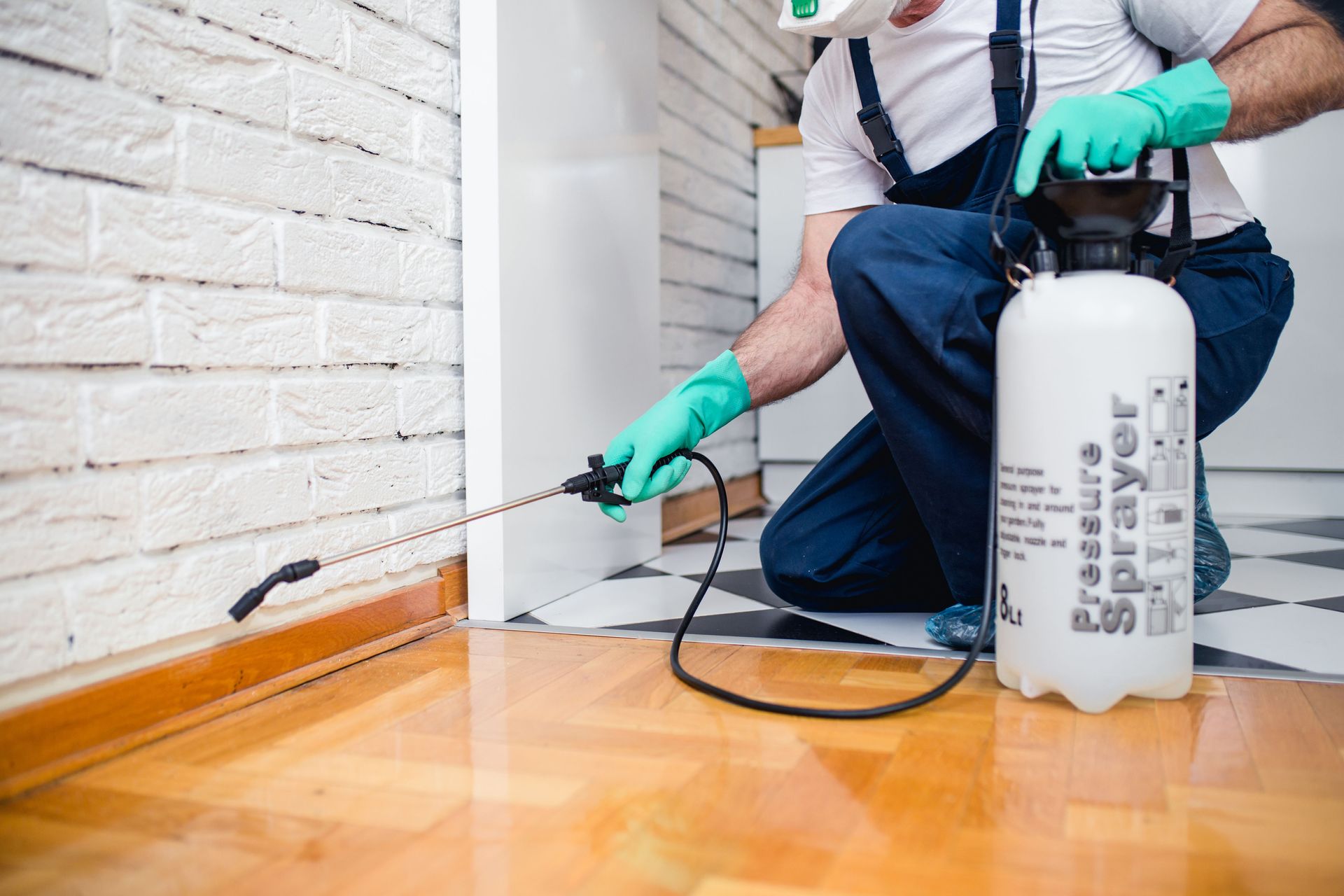
Professional providers often have access to tools and products that are stronger and more precise than common store-bought options. Depending on the property, treatments may include barrier sprays, larvicides, misting systems or targeted applications near resting areas. These methods can reduce adult mosquitoes and interrupt the breeding cycle. By addressing both adult insects and larvae, the overall population can be managed more effectively.
Proper application is important for both safety and performance. Trained technicians understand where to apply treatments, how much product to use and how weather conditions can affect results. They can also adjust the plan as mosquito activity changes throughout the season. This helps create more consistent control than a one-time DIY approach. Store-bought sprays may provide temporary relief, but they often fail to address breeding sites or hidden resting areas.
7. Residential and Commercial Solutions
Residential mosquito control focuses on protecting yards, patios, gardens, pools and play areas. Homeowners often want relief during warm months when outdoor gatherings and family activities are most common. Treatments can be scheduled seasonally or as needed depending on mosquito pressure and property conditions. For many families, reducing mosquito activity makes outdoor living feel more comfortable and usable.
Commercial properties may require a broader strategy. Restaurants, hotels, apartment communities, event venues and recreational facilities often need reliable outdoor pest management to protect guests and maintain a positive reputation. A mosquito control service can develop a plan that supports business operations while reducing disruption for customers, employees and visitors. These plans may include recurring visits, targeted inspections and treatment timing that works around business hours or scheduled events.
8. Eco-Friendly and Preventive Options
Many property owners prefer lower-impact approaches that support sustainability. Eco-friendly options may include biological controls, larval treatments, habitat reduction and plant-based repellents. These methods can be especially useful for properties near gardens, ponds or sensitive landscapes. While natural options may not always replace every treatment, they can be part of a broader plan that reduces mosquito activity responsibly.
With the right plan, mosquito control becomes less reactive and more focused on lasting comfort, safety and prevention. Whether the goal is protecting a backyard, supporting a business or improving outdoor events, professional control can provide a more complete and reliable solution. Contact Superior Mosquito Control today to get connected to our mosquito control services.